
Published August 11, 2026
Buying a New Construction Home in Houston? The Builder’s Sales Rep Does Not Represent You

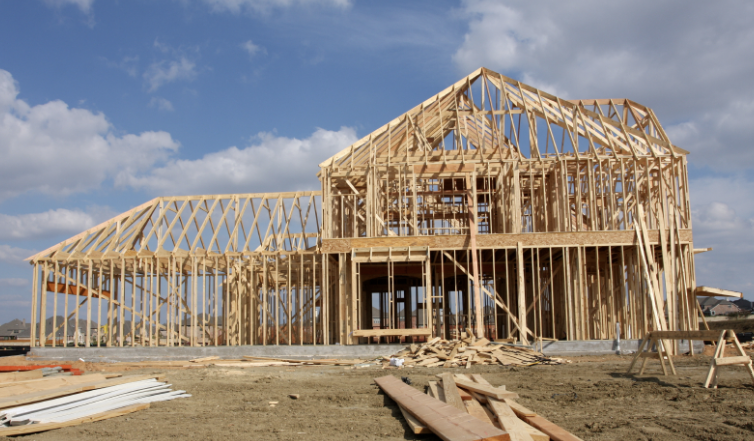
Buying a New Construction Home in Houston? The Builder’s Sales Rep Does Not Represent You
Buying new construction can feel easier than buying a resale home.
There’s no seller sitting across the table. No competing family’s furniture to look past. Sometimes there isn’t even a house yet.
You walk into a beautiful model home, someone offers you a bottle of water, shows you floor plans and starts talking about incentives.
It feels collaborative.
But there is something every buyer should understand before that conversation goes very far:
The builder’s sales representative works for the builder.
That doesn’t make the salesperson dishonest or adversarial. Many are excellent at what they do.
It simply means their job and your interests are not the same thing.
And in a transaction involving hundreds of thousands, and sometimes millions, of dollars, that distinction matters.
Who does the builder's sales representative represent?
The builder.
That person is there to sell the builder's inventory, explain the builder's products and facilitate a transaction on the builder's terms.
Think about it another way.
If you were involved in an important business negotiation, you probably wouldn't assume the other company's representative was also your advisor.
Real estate shouldn't be any different.
Your representative's job should be to look at the transaction from your side of the table.
"But it's a brand-new house. What is there to negotiate?"
Quite a lot.
Price is only one component of a new-construction transaction.
Depending on the builder, community, stage of construction and market conditions, there may be conversations involving:
- financing incentives
- closing-cost contributions
- interest-rate programs
- lot premiums
- design-center allowances
- upgrades
- appliance packages
- move-in timelines
- inventory-home pricing
- earnest money
- inspections
- construction deadlines
- warranty procedures
And here's where experience matters.
The biggest advertised incentive isn't automatically the best deal.
Imagine Builder A offers $40,000 in incentives but requires you to use its affiliated lender.
Builder B offers $20,000 but has a better-priced inventory home.
Builder C offers very little publicly but has a completed home it would particularly like to sell before the end of a reporting period.
Those are three completely different negotiations.
A good buyer representative isn't simply asking:
"What are you offering?"
They're trying to understand:
"Where does this builder have flexibility right now?"
That's a much better question.
The contract may be very different from what you've seen before
Many builders use their own contracts rather than the standard resale forms consumers may recognize.
Those agreements can address construction schedules, deposits, financing, change orders, inspections, warranties, defaults and closing requirements differently.
That doesn't mean the contract is improper.
It means you should understand what you're agreeing to.
Your real estate broker can explain the real estate transaction and help you understand the business terms within the scope of their license. Questions requiring legal interpretation should be directed to a qualified real estate attorney.
The important part is not treating the contract like the little checkbox before installing an iPhone update.
Read it.
Ask questions.
Understand your obligations before you sign.
Yes, we inspect new houses.
This surprises buyers all the time.
"But it's brand new."
Correct.
And houses are built by humans.
A new home can be beautifully constructed and still have items that need correction.
That's why we often discuss multiple inspection opportunities during construction.
For example, depending on the project and builder, a buyer may consider a pre-drywall inspection before the walls conceal many of the home's structural and mechanical components.
Later, an inspection near completion can evaluate the finished home.
Some buyers may also choose additional specialized inspections depending on the property.
Finding an issue during construction isn't necessarily evidence that someone built a terrible house.
In many cases, it's exactly why inspections are valuable.
Finding something while it can still be corrected is a good outcome.
Your agent should be paying attention long before closing
Good new-construction representation isn't showing up at the model home and then resurfacing at closing.
There are decisions throughout the process.
Where is the lot located?
What will eventually be behind it?
Is there planned development nearby?
What are comparable homes selling for?
Which upgrades may matter for resale?
Which upgrades are primarily personal enjoyment?
Is the builder's inventory competing against your home before you've even moved in?
What happens if the builder later reduces prices?
How does the tax rate affect the actual monthly payment?
What should you understand about homeowners insurance, flood risk or applicable windstorm considerations?
Those aren't reasons not to buy new construction.
They're reasons to buy it intelligently.
Houston makes this especially important
"New construction in Houston" isn't one market.
Buying in Bridgeland is different from buying inside the Loop.
A townhome development near Downtown presents different considerations from a master-planned community in Katy, Cypress or Fort Bend County.
Property taxes can vary substantially by location and taxing jurisdiction.
HOA structures differ.
Commutes differ.
Flood considerations differ.
Builder inventory differs.
Future development differs.
Even two sections of the same master-planned community can have different considerations.
The house matters.
So does everything around the house.
Don't evaluate an incentive without evaluating the whole transaction
This may be the biggest mistake buyers make with builders.
"$30,000 incentive!"
Great.
Toward what?
Can it reduce the sales price?
Can it pay closing costs?
Is it tied to the builder's lender?
Can it buy down the interest rate?
Is there a maximum contribution based on the loan program?
Would you be better off negotiating something else?
A giant incentive on a poorly priced house isn't necessarily a bargain.
The goal isn't to collect the largest number on the builder's flyer.
The goal is to structure the strongest overall purchase.
When should you involve your own real estate agent?
Before you visit the builder whenever possible.
Some builders have specific policies regarding buyer-agent registration, including requirements surrounding the buyer's first visit or initial contact.
Don't assume you can tour alone repeatedly and simply add representation later.
If you're considering new construction, talk with your agent before walking into the model home.
That gives your representative the opportunity to research the community, builder, available inventory, recent activity and current incentives before you're sitting across from someone asking which lot you'd like.
New construction can be fantastic
I don't want this article to sound like a warning against builders.
Quite the opposite.
We love new construction when it makes sense for the client.
You may get modern construction, energy-efficient systems, current floor plans, warranties and the opportunity to personalize a home.
But "new" doesn't mean "simple."
And a beautiful model home doesn't eliminate the need for good representation.
The builder has professionals protecting its interests throughout the transaction.
You deserve someone protecting yours.
That's what representation is supposed to mean.
At League Agency, our job isn't to get you to closing at all costs.
It's to help you understand what you're buying, recognize what others may overlook, ask better questions and make decisions you still feel good about after the excitement of the model home wears off.
Representation at the highest level.
FAQ
Do I need a Realtor when buying new construction in Houston?
You aren't necessarily required to have your own real estate agent, but independent representation can help you evaluate pricing, incentives, contracts, inspections, location considerations and the overall transaction from the buyer's perspective.
Does using a buyer's agent make the new home cost more?
Builder compensation policies vary, so buyers should ask how representation and compensation work before entering an agreement.
Should a brand-new house be inspected?
Independent inspections can identify construction or installation items that may need correction even in newly built homes. The appropriate inspections and timing depend on the property and construction stage.
When should I contact my agent?
Ideally, before your first builder visit. Builder registration and agent-participation policies can vary.
Should I use the builder's lender?
Not automatically, and not automatically not. Compare the entire financial package, including rate, fees, credits and other terms, rather than evaluating an incentive by itself.
Author Bio
Susan McKinney is Broker/Owner of League Agency, a Houston-based residential real estate brokerage serving buyers, sellers, investors and relocation clients throughout the Houston market. League Agency approaches real estate as advisory work: understand the objective, anticipate problems, protect the client and execute with intention.
League Agency | Representation at the highest level.

Susan McKinney
Broker & Co-Founder, League Agency | League Agency RE
or another way